
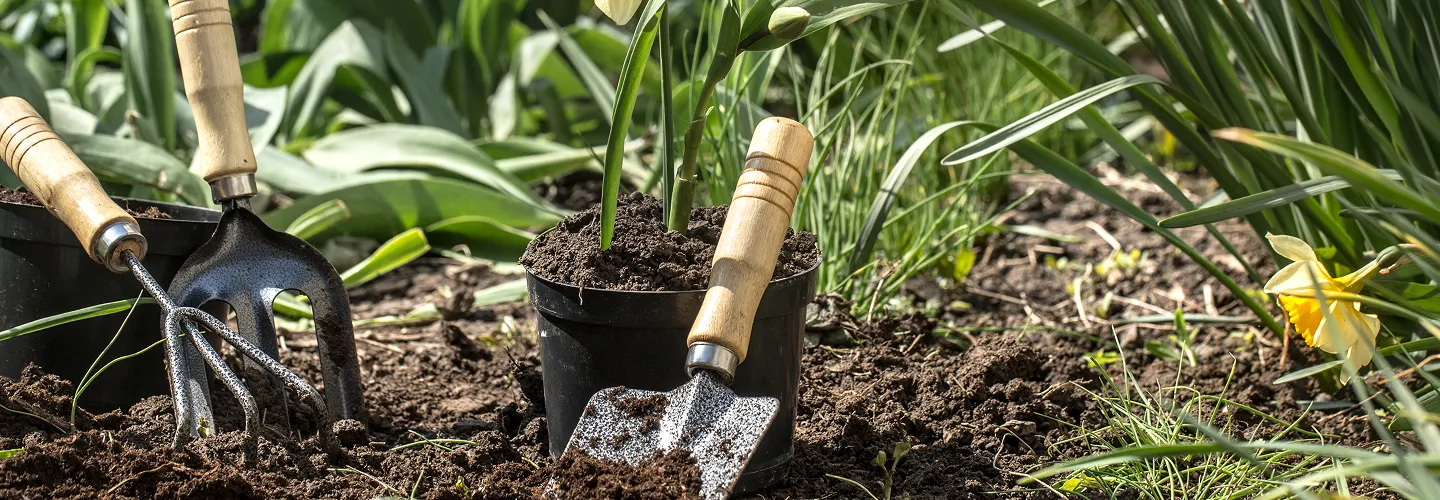
Burrillville Lawn Seeding Services
Choose our expert lawn seeding services for a lush, healthy yard—our proven methods ensure even growth, improved soil health, and long-lasting results you can enjoy all season.
Get a Free QuoteOur Burrillville Landscaping & Yard Care Services
When to Schedule Lawn Seeding in Burrillville, Rhode Island – Seasonal Guide
Timing is everything when it comes to successful lawn seeding in Burrillville, Rhode Island. The best periods for seeding are typically late summer to early fall, when soil temperatures remain warm but the air cools, reducing stress on new grass. This window—usually from late August through mid-September—allows seeds to establish before the first frost, which in Burrillville often arrives in late October. Spring seeding is also possible, but unpredictable rainfall and lingering cold snaps can make establishment more challenging.
Local factors such as the proximity to the Nipmuc River, the shaded lots in neighborhoods like Mapleville, and the sandy loam soils common in the area all play a role in determining the ideal seeding schedule. Homeowners should also consider Burrillville’s risk of late-summer droughts and the impact of humidity on seed germination. For more detailed climate data and municipal guidelines, visit the official Sudbury resource.
Local Factors to Consider for Lawn Seeding in Burrillville
- Tree density and shade coverage, especially in areas like Harrisville
- Soil type (sandy loam vs. clay) and drainage
- Average precipitation and risk of late-summer drought
- Frost dates and temperature fluctuations
- Terrain slope and erosion risk
- Municipal watering restrictions or guidelines
Benefits of Lawn Seeding in Burrillville
Thicker, Healthier Lawns
Improved Curb Appeal
Weed and Pest Resistance
Customized Seed Blends
Professional Expertise
Cost-Effective Lawn Solutions
Burrillville Lawn Seeding Types

Overseeding
-
Slit Seeding
-
Hydroseeding
-
Power Seeding
-
Spot Seeding
-
Broadcast Seeding
-
Dormant Seeding
Our Lawn Seeding Process
Site Evaluation
Soil Preparation
Seed Selection
Seeding Application
Watering and Maintenance
Why Choose Burrillville Landscape Services
-
Burrillville Homeowners Trust Us
-
Expert Lawn Maintenance
-
Reliable Seasonal Cleanups
-
Competitive Pricing
-
Professional Team
-
Satisfaction Guarantee
-
Personalized Service
Burrillville’s Glacial Till Soils and Site Preparation for Lawn Seeding
Burrillville’s landscape is dominated by glacial till soils, classified primarily as Inceptisols and Udults, which are moderately acidic (pH 5.5-6.5) and often poorly drained, especially in low-lying areas. Before seeding, it is essential to conduct a soil test—available through the University of Rhode Island Cooperative Extension—to determine pH and nutrient needs. Common amendments include lime for pH below 6.0 and compost incorporation (2-3 inches tilled to 6-inch depth) to improve structure and drainage. Core aeration to a depth of 2-3 inches is recommended for compacted sites. For detailed soil mapping, consult the USDA Web Soil Survey. Compliance with local buffer requirements is critical: maintain a 25-foot no-disturbance zone from wetlands and a 50-foot setback from water bodies.
Burrillville RI Conservation Commission
105 Harrisville Main Street, Burrillville, RI 02830
Phone: (401) 568-4300
Official Website: Burrillville RI Conservation Commission
Optimal Lawn Seeding Timing and Weather Considerations in Burrillville
Burrillville is located in USDA Hardiness Zone 6a, with a growing season typically from mid-April to late October. The most effective seeding windows are April 15–May 30 (spring, when soil temperatures reach 50–65°F) and August 20–September 30 (fall, before the first frost). Avoid seeding during June–August due to heat stress and increased weed competition. Monitor local weather forecasts through the National Weather Service Boston/Norton Office to avoid heavy rainfall events that can cause seed washout. For best results:
- Spring seeding: April 15–May 30
- Fall seeding: August 20–September 30
- Soil temperature: 50–65°F
- Avoid: June–August (heat stress period)
Municipal Coordination and Lawn Seeding Ordinances in Burrillville
Lawn seeding activities in Burrillville must comply with municipal ordinances regarding equipment operation and site disturbance. Equipment such as slit seeders and aerators may be operated:
- Monday–Friday: 7:00 AM–7:00 PM
- Saturday: 8:00 AM–6:00 PM
- Sunday and holidays: Prohibited All seeding projects near wetlands or conservation areas require adherence to a 25-foot no-disturbance buffer, and any soil disturbance over 5,000 square feet may require review by the Building & Zoning Department. Use only biodegradable erosion control materials and ensure no grass clippings or soil enter storm drains, as required by the town’s MS4 permit under the Clean Water Act.
Burrillville RI Department of Public Works
200 Clear River Drive, Burrillville, RI 02830
Phone: (401) 568-4440
Official Website: Burrillville RI Department of Public Works
Environmental Compliance: Wetland Buffers and State Stormwater Regulations
Properties adjacent to Burrillville’s numerous wetlands, streams, and conservation lands must comply with both local and state environmental regulations. The Rhode Island Environmental Rights Act and the town’s conservation ordinances require a minimum 25-foot buffer from all wetlands and prohibit fertilizer or seed application within 50 feet of open water. Burrillville’s MS4 stormwater permit, regulated by the Rhode Island Department of Environmental Management, prohibits the discharge of sediment, seed, or fertilizer into storm drains. Key compliance steps include:
- Maintain 25-foot wetland buffer
- No fertilizer within 50 feet of water bodies
- Use silt fences or straw wattles on slopes
- Schedule seeding to avoid forecasted heavy rain
Burrillville RI Conservation Commission
105 Harrisville Main Street, Burrillville, RI 02830
Phone: (401) 568-4300
Official Website: Burrillville RI Conservation Commission
Species Selection and Turf Recommendations for Burrillville Lawns
Selecting turfgrass species suited to Burrillville’s climate and soils is essential for sustainable lawn establishment. Recommended cool-season grasses include Kentucky bluegrass (Poa pratensis), perennial ryegrass (Lolium perenne), and fine fescues (Festuca spp.). For shaded sites, use ‘Midnight’ Kentucky bluegrass or creeping red fescue. Seed blends should be chosen for disease resistance and drought tolerance. Plant at a rate of 3–4 lbs per 1,000 sq ft, and irrigate lightly until germination. For detailed recommendations, consult the University of Rhode Island Cooperative Extension. Species recommendations:
- Full sun: Kentucky bluegrass, perennial ryegrass
- Partial shade: Fine fescue, ‘Midnight’ bluegrass
- High-traffic: Turf-type tall fescue
- Native options: Redtop (Agrostis gigantea), rough bluegrass (Poa trivialis)
What Neighborhoods Do We Serve Throughout Burrillville, RI?
- Harrisville: Features older residential lots with compacted glacial till soils and moderate drainage; seeding often requires core aeration and compost amendment.
- Pascoag: Contains a mix of historic homes and newer developments, with variable soil pH and proximity to wetlands requiring strict buffer compliance.
- Mapleville: Characterized by larger lots, mature tree cover, and frequent shade, making fine fescue blends ideal for successful establishment.
- Oakland: Includes properties near the Clear River, where floodplain soils and seasonal wetness necessitate careful timing and erosion control.
- Nasonville: Rural area with sandy loam soils and open exposure, supporting a wider range of turf species but requiring attention to wind erosion.
- Wallum Lake: Lakeside properties with high water tables and conservation restrictions; seeding must respect 50-foot water body setbacks and use erosion controls.
- Mohegan: Features sloped sites and rocky soils, demanding specialized equipment and silt fence installation to prevent runoff during seeding operations.